The so-called D-1 standard represents the first transitional phase of implementing the Ballast Water Management Convention. In this phase, all ships that are not equipped with compliant ballast water treatment systems are required to exchange their ballast water in deep sea beyond the distance specified by the Convention, using one of the approved methods.
The Ballast Water Convention requires that ships discharge treated ballast water that meets the D2 standard, and the entry into force of the D2 standard does not depend on the entry into force of the Convention. This is because although the entry-into-force date of the Convention is uncertain, the effective dates of the D2 standard in the Convention are clear for various ship types, and this clause is retroactive. This means that regardless of whether the Convention enters into force and regardless of whether a country is a Contracting Party, the requirement for ships to install ballast water management systems meeting the D2 standard is mandatory. Therefore, ships, especially newbuilds, must consider this requirement during ship design. The current problem is that there are not enough ballast water management systems to meet the needs of all ships, so a delay in the first effective date of the D2 standard is inevitable. The IMO 25th Assembly Resolution A.1005(25) held in 2007 resolved the issue for ships built in 2009, postponing the application date of the D2 standard to 31 December 2011. However, whether the application time for ships built in 2010 and later and existing ships will be postponed is to be decided by the MEPC (59) meeting held in 2009.
The next step for ship owners and ship management companies is to review again the renewal dates of the International Oil Pollution Prevention Certificate (IOPP Certificate) for each vessel. After September 8, 2017, the IOPP Certificate will first stipulate the deadline for each vessel to install a ballast water treatment system. This is the second phase of the Convention, and the D-2 standard in this phase specifies concrete ballast water treatment options. The effectiveness of a ballast water treatment system is assessed based on the maximum allowable number of viable organisms in treated ballast water: no more than ten viable organisms larger than 50 micrometers per cubic meter, and no more than ten viable organisms between 10 and 50 micrometers per milliliter. The Ballast Water Management Convention also lists several indicator microbes and broader safety requirements. All vessels covered by the Convention must meet the D-2 standard by 2024-09-08.
All existing vessels lacking a type-approved ballast water treatment system (BWTS) must be retrofitted accordingly based on the renewal date of the IOPP certificate. There are now many ballast water treatment systems available, each with its own advantages and disadvantages, so the selection should be based on the specific characteristics of the vessel. At the same time, relevant retrofit documents should be sent to the classification society as soon as possible for plan approval. According to the D-2 standard, vessels must carry on board the type approval certificate for the ballast water treatment system issued by a recognized administration, approved technical documentation, the operation manual of the treatment system, and the international ballast water management certificate issued after initial survey to demonstrate compliance with the D-2 standard.
Vessels constructed after September 8, 2017 will be required to install a ballast water treatment system. Vessels constructed before that date that have not installed one must also be retrofitted within the required time.
Ballast Water Treatment D-2 Standard
Organism Type Organism Type | Standard Required Regulation |
Viable organisms with minimum dimension greater than or equal to 50 μm Organisms,≥50μm minimum dimension | Fewer than 10/m3 <10cells/ m3 |
Viable organisms with minimum dimension less than 50 μm but greater than or equal to 10 μm Organisms, <50μm and ≥10μm minimum dimension | Fewer than 10/ml <10cells/ml |
Toxicogenic Vibrio cholerae (serotypes O1 and O139) Toxicogenic Vibrio cholerae (serotypes O1 and O39) | Less than 1cfu/100ml (colony-forming units) or less than 1cfu/g of zooplankton samples (wet weight) <1cfu/100ml,or <1cfu/g(wet weight)of zooplankton samples |
Escherichia coli Escherichia coli | Less than 250cfu/100ml <250cfu/100ml |
Intestinal Enterococci Intestinal Enterococci | Less than 100cfu/100ml <100cfu/100ml |
Installation of ballast water management systems on existing ships
Due to constraints such as ship space and piping layout, existing ships are limited when selecting ballast water treatment technologies and management systems for the installation of ballast water management systems. According to statistics on the number of ships required to meet the D2 standard at different times, a certain number of ships in each time period need to install ballast water treatment systems. Especially during the period from 2012—2016, when existing ships were required to meet the D2 standard, the number of ships installing ballast water treatment systems will grow rapidly. Given the current development of ballast water treatment technologies and the status of approved treatment systems, worldwide production capacity cannot meet the growing demand. Moreover, installing ballast water treatment systems on ships must be carried out at large shipyards by a large number of professional and technical personnel, which will lead to shortages of human and material resources.
Type Classification of Ballast Water Treatment Systems
Depending on the operating phase during ballast water uptake, storage, and discharge, ballast water treatment systems can be classified into pre-treatment (treatment during ballast water uptake), intermediate treatment (treatment in ballast tanks), post-treatment (treatment during discharge), and combinations of these treatment modes. Almost all treatment systems first adopt filtration for ballast water, but filtration generally can only remove large organisms and impurities and cannot kill aquatic organisms. Therefore, filtration can only be a common auxiliary measure adopted by ballast water treatment systems, and the above classification does not take the filtration step into account.
To date, the ballast water treatment systems that have been approved by the IMO and/or competent authorities and are actually in use are mainly of two types: 'pre-treatment' or 'pre-treatment + post-treatment'. Other types of ballast water treatment systems, such as 'intermediate treatment' or 'post-treatment' types, are currently being developed by a few companies worldwide, but have not yet been approved by competent authorities and/or the IMO, or have not yet been commercialized.
Working Principle
With a 50% market share, UV systems are currently the most popular choice. The system uses a two-step treatment process, combining filtration and ultraviolet (UV) irradiation to kill organisms and prevent them from reproducing.
Applicable Scope
In theory, UV systems are suitable for any vessel, but they are mainly used on ships that do not require a large amount of ballast water and have a ballast water flow rate of less than 1000 m³/hour.
Advantages and Challenges
UV systems are easy to install and retrofit, and also pose few safety risks from a classification society perspective. They can operate under varying salinity and temperature conditions; however, their performance depends on the water's ultraviolet transmittance (UV-T). In murkier water, the system's effectiveness is reduced. The US Coast Guard has stated that all organisms discharged from ships into US waters must be dead, not merely non-viable. This means that a type-approved filtration + UV system becomes more sensitive to water turbidity, requiring more irradiation time to ensure organism mortality.
Working Principle
The electrolytic treatment system holds approximately 35% market share, making it the second-ranked treatment system. Many of these systems use filtration for pre-treatment. By electrifying a stream of seawater, the system causes salt and water molecules to chemically react to produce a disinfectant—hypochlorite—which is then reinjected into ballast water to kill organisms.
Scope of application
Electrolytic systems are more suitable for large vessels with large ballast water capacities, and they can withstand flow rates up to 8000m3 per hour.
Advantages and challenges
In addition to accommodating large ballast water capacities, electrolysis-based treatment systems are also very effective. Treatment is only required during ballasting (with appropriate neutralization possibly needed during de-ballasting). This means that the system can perform sterilization on board, and some electrolytic systems can even provide in-tank circulation treatment during transit for ports where ballast water treatment cannot be performed. However, this system also has some disadvantages. One is that electrolysis can generate a small amount of hydrogen gas, a factor that must be taken into account for safety. In addition, electrolytic systems are very sensitive to low-salinity and low-temperature environments, so salt should be added or a heating system installed when necessary. Finally, electrolytic systems are harder to install, control, and maintain than UV systems.
Chemical injection system
Working principle
This system is often used together with filtration devices, where chemical solutes are added to the ballast water for disinfection and sterilization purposes. The disinfectant can be liquid or granular, and usually needs to be neutralized before the ballast water is discharged from the ship. Some common active substances include sodium hypochlorite, peracetic acid, and chlorine dioxide.
Scope of Application
Chemical injection systems are suitable for the vast majority of vessels with ballast water flow rates below 16000 m³ per hour, and are typically used on ships with large ballast water capacity and high flow rates. This technology also makes it applicable to ballast tanks that are not frequently used, and it is also a good option for vessels operating in domestic voyages that do not require ballast water treatment.
Advantages and Challenges
Generally speaking, chemical injection systems have low energy requirements, as the only energy demand is to inject the chemicals into the ballast water. Since only a metering pump is needed as the main component of the system, it does not take up much space onboard the ship. This makes them easier to install compared to other systems. However, the chemicals used in the system, such as Peraclean and Purate, are registered trademark products and are only supplied at specific ports. Moreover, the chemicals also need to be stored in sealed containers on board, which may pose safety risks. The use of chemicals requires the implementation of strict safety regulations and crew training. Necessary regular chemical storage also generates additional operating costs, compared to UV systems and electrolysis systems that mainly consume electricity.
Selection Requirements for Ballast Water Treatment Systems
The selection of a ballast water treatment system involves a wide range of considerations. On one hand, for a specific ship, it is directly or indirectly related to the ship's operational characteristics, ballast water treatment requirements, the space available for locating treatment equipment compartments, the total capacity of ballast tanks, the discharge capacity of ballast pumps, power supply, coordination with other ship systems, and operational requirements. On the other hand, as a new product, ballast water treatment technology is still under development. Although some ballast water treatment systems have been put into use, the experience gained so far is still very limited. Each treatment system has its own characteristics. For example, systems using electrolytic seawater treatment have no capacity to treat freshwater ballast water; systems using ultraviolet methods have limited capacity for treating ballast water with high turbidity; some treatment systems are too bulky; and some have excessive power consumption. Filtration, separation, and ultraviolet methods are carried out during loading and unloading, and the largest flow rate in the ballast system is selected in terms of scale. In contrast, chemical biocides and deoxygenation methods are generally applied to achieve a certain concentration in ballast water tanks. For these systems, the pump flow rate does not have a major impact; rather, the main consideration is allowing ballast water to be held in tanks for the required time to achieve the expected kill rate. This method may not be suitable for ships on short voyages.
For the various reasons mentioned above, at present, almost no single treatment system is suitable for all ships. In order to better leverage the advantages of various ballast water treatment technologies and avoid their disadvantages, many treatment systems are based on a combination of two or more technologies. In practice, the selection of a ballast water treatment system is the result of a comprehensive evaluation of various factors.
Comprehensive Consideration Factors
When selecting a ballast water treatment system, the following factors should generally be taken into comprehensive consideration:
(1) Vessel characteristics;
(2) Treatment system characteristics;
(3) Arrangement and maintenance;
(4) Others.
1. Ship type and its ballast water requirements
(1) In most cases, the ship type will be the determining factor in choosing an appropriate treatment system. The ballast capacity and ballast pump flow rates vary considerably among different types of ships, and the total ballast capacity of a ship, as well as the volume of ballast water required to be discharged or loaded at any given port, also differ greatly. Some ship types have a high dependence on ballast water, such as oil tankers and bulk carriers; others have low dependence, such as container ships. Ships with high ballast dependence are generally required to sail in full ballast when empty (without cargo), and their ballast pumps are typically designed to take in or discharge all ballast water within a certain period to accommodate rapid port turnaround. Ships with low ballast dependence usually have relatively small ballast capacity and rarely conduct fully ballasted voyages (without cargo); their ballast water operations are very limited and often involve transfers, for example, from one tank to another to adjust trim and list, without the need to take in or discharge all ballast water within a certain period.
(2) Some ships may include two or more ballast systems. For example, certain oil tankers often have two ballast systems, one in the cargo area (hazardous area) and one in the engine room area (safe area); some ships also use eductors to discharge residual ballast water. When selecting a ballast water treatment system for use in hazardous areas, the hazard level of the space should be considered, and fire and explosion protection is usually required. For ships equipped with eductors to discharge residual ballast water, a ballast water treatment system requiring post-treatment may not be suitable.
2. Ship routes
(1) The ship's trading routes are also one of the factors in selecting a treatment device. At present, some countries or regions have adopted unilateral actions more stringent than IMO standards for ballast water management. For ships that may call at ports with unilateral discharge requirements, compliance with the relevant requirements should be considered. For ships that do not call at those countries or regions, it is not necessary to select a ballast water treatment system with higher treatment capacity. For ships that rarely travel to areas with special discharge requirements, from an economic perspective, it may be considered to avoid discharge through ballast water management measures or to use shore-based facilities.
(2) The turbidity, salinity, and sediment content of water have an impact on the efficacy or maintenance of some treatment technologies. If the water at frequently visited ports has a high sediment content, the impact of turbidity and sediment on the treatment system should be considered when selecting a treatment device. If the ship frequently calls at inland river ports or ports with low salinity, the impact of salinity on the treatment system should be considered when selecting a treatment device.
(3) The impact of sediment (sludge) in ballast tanks also needs to be considered. Since sludge itself contains invasive species, it can contaminate the ballast water being taken in, which may require treatment of the ballast water both during uptake and discharge. Ballast water treatment systems requiring post-treatment are generally not suitable for vessels that discharge ballast water by gravity.
Characteristics of Treatment Systems
1. Certificate requirements: The ballast water treatment system shall hold the necessary certificates.
According to Regulation D-3 of the Convention, all ballast water treatment systems used to comply with this Convention must be approved by the Administration; ballast water treatment systems using active substances shall also be approved by the International Maritime Organization (IMO) in accordance with procedures developed by it. For example, systems that use mechanical and/or physical methods (without using active substances) should hold a type-approval certificate issued by the Administration; for ballast water treatment systems using active substance technology (chemical treatment), in addition to holding a type-approval certificate issued by the Administration, they should also pass IMO basic approval and final approval.
2. Treatment Technologies
Each ballast water treatment system has its own basic characteristics, which may have a certain impact on ships of a specific type, route, or ballast water flow rate—that is, on the applicability of the treatment system. Basic treatment methods and technologies can be divided into:
• Mechanical methods (filtration or separation)
• Physical disinfection methods (ultraviolet irradiation, cavitation, deoxygenation, etc.)
• Chemical treatment methods (antimicrobial agents and chemicals)
Each technology has its own characteristics, which will affect its suitability for a particular ship. Most treatment systems use a combination of the above technologies to overcome the shortcomings of any one technology.
(1) Mechanical methods
The system requires that all ballast water flow through filters, cyclones, or other separators. For high-flow ballast water situations, the size of the equipment may pose problems. If the equipment is used during ballast water discharge, a large amount of filtered material must be retained onthe ship, increasing the storage burden.
(2) Physical disinfection methods
Ultraviolet treatment is usually carried out during ballast water uptake and discharge; its effectiveness is affected by the turbidity of the water, which affects light penetration. Deoxygenation treatment may take several days to ensure the kill rate for aquatic organisms, and inaddition, the ballast tanks must have a sealed ventilation system and be fully inerted.
(3) Chemical treatment
The dosage should be appropriate, and the kill rate for aquatic organisms can usually be achieved within a few hours. However, when ballast water is discharged, excessive chemicals may remain, so it is usually necessary to neutralize the chemicals in the water to ensure that the discharge environment is not harmed. In addition, if the chemical concentration in the ballast tank is too high, it may also corrode the ballast tank walls.
3. Treatment system size
Usually, the treatment capacity of a treatment system should be equal to or slightly greater than the maximum flow rate of the ballast pumps, and the treatment capacity of the system directly determines its physical dimensions. The shapes and sizes of different treatment systems vary greatly. Some treatment systems require branch piping to be installed from the ship's ballast pipeline, and the impact of installing such piping may even exceed that of installing the treatment system itself. For newbuildings, the layout space for the treatment system can be considered comprehensively during the design stage. For existing ships, due to limited space, installation of the system may be a challenge. Appendix 1 of this paper provides the space dimensions of different treatment systems for reference. In addition, appropriate maintenance access should be reserved for the installed treatment system, including ladders, platforms, lighting, crane rails, lifting eyes, and spaces for cleaning internal components and for storing and disposing of consumables. The required fire-fighting and ventilation systems for such spaces should also be considered (the space may also be located outside the engine room).
4. Treatment system capacity
Usually, when selecting a ballast water treatment system, it should be ensured that it can handle the maximum ballast water flow rate. However, from the perspective of reducing the purchase, operation, and maintenance costs of the system, for certain ships with low dependence on ballast, a system with a relatively smaller treatment capacity may be selected.
5. Treatment system pressure drop
Installation of certain ballast water treatment systems can cause a decrease in ballast water flow rate and pressure. For example, some automatic backwashing filters or hydrocyclones may lose about 10% of head pressure when removing filter debris; for treatment systems using UV sterilization technology, the entire ballast water flow passes through the treatment system, increasing back pressure, which affects the pump flow rate, thereby extending ballasting operation time and consuming more power. Therefore, when selecting a treatment system, due consideration should be given to the potential pressure drop that the system may cause during operation.
6. Treatment system power
When selecting a ballast water treatment system, the power consumption of the system should be considered. Especially for existing ships, the additional power requirement is a major constraint in system selection. Some treatment systems have high power consumption, such as UV systems. Some existing ships may not be able to withstand excessive additional power consumption, and high-power equipment also increases operational costs. Therefore, when selecting a system, the power margin of the ship's power station should be estimated in advance to confirm that the existing generating equipment can meet the additional power requirements.
7. Protection rating and explosion-proof
The protection rating (IP rating) and fire rating of the treatment device and its materials should meet the classification society requirements for the location on the ship where it is installed. Special attention should be paid to the explosion-proof requirements for equipment when the treatment system is installed in hazardous spaces. For example, equipment installed in cargo pump rooms must be certified explosion-proof electrical equipment, while there is no explosion-proof rating requirement for equipment installed in the engine room. According to Chapter 4, Chapter 1, Section 1.3.2.2 of the China Classification Society (CCS) Rules for Classification of Sea-going Steel Ships, the electrical equipment supporting the ballast water treatment system should have an appropriate type of enclosure protection and should be suitable for the installation location. For oil tankers, liquid cargo ships, and other ships carrying dangerous goods, attention should be paid to relevant explosion-proof requirements when installing ballast water treatment devices. If installed in hazardous areas, the electrical equipment in the system should adopt a suitable explosion-proof type.
Arrangement and Maintenance
Based on comprehensive consideration of the factors related to the ship and the treatment system, the arrangement of the treatment system on board and its subsequent maintenance requirements are also important factors we must consider when selecting a ballast water treatment system. Especially for existing ships, the space for arranging the treatment system can be a major challenge. Therefore, when selecting a ballast water treatment system, it should be ensured that it can be smoothly installed on the ship in the future, and its subsequent maintenance should also be considered. For the arrangement and maintenance of the treatment system, the following factors should generally be considered:
1. Ship Information
To evaluate the installation location of the treatment device on board a ship, especially for existing ships, it is necessary to understand the spatial locations on the ship where equipment and systems can be installed (such as engine room layout, pump room layout, and general arrangement drawings), as well as the ship's ballast water system configuration (such as ballast water piping diagrams). The relevant information shown in these drawings may directly affect the installation position of the equipment and the configuration requirements of the system, facilitating the smooth installation of the treatment system.
2. Sharing with existing ballast system
When selecting and arranging the system for an existing ship, consideration should also be given to enabling the ballast water treatment system to share the existing ballast system on board to the greatest extent possible, so that the system can work well in combination with the existing ballast water system, thereby simplifying system retrofitting and facilitating subsequent maintenance.
3. Sampling
Sampling devices should be considered in advance in the system layout for purposes such as inspection by port State or authorized officers of the Administration, to confirm compliance with the D-2 discharge standard of the Ballast Water Convention. The sampling location and arrangement of sampling devices should comply with the relevant requirements of the IMO Guidelines for ballast water sampling (G2).
4. Control and Monitoring
All treatment systems should generally be provided with a remote control panel near the ballast system control panel. This control panel may also be integrated into the ballast system control panel. The remote control panel usually includes on/off control of the treatment system, valves, and indicator lights for system operating status. Most treatment systems provide a main control panel near the equipment to facilitate local operation and monitoring of system operating conditions. The shipowner may request that the control system, alarm system, and monitoring system be combined for ease of management.
5. Maintenance
When selecting a ballast water treatment system, subsequent maintenance requirements should be taken into account. As a newly developed technology, ballast water treatment systems lack operational experience, so their reliability is usually indicated by the complexity of the system, such as filters, ultraviolet lamp areas, chemical dosing systems, routine maintenance by crew, and generation systems for chlorine and other chemicals. Generally, systems with complex configurations will have their reliability relatively affected. Systems with good reliability and low maintenance requirements can not only reduce the maintenance burden on crew but also reduce system maintenance costs.
1. Corrosion of ballast tanks and piping systems
For certain ballast water treatment technologies, the chemical composition of ballast water or the atmospheric composition in ballast tanks may be altered. If improperly designed and operated, they can damage the ballast tank coating and accelerate corrosion of the tanks and piping systems. Therefore, this should be considered when selecting a treatment system.
2. Storage of hazardous chemicals
The active substances used in ballast water treatment systems include chemicals such as ozone, hydrogen peroxide, chlorine dioxide, and peracetic acid. The use of these chemical biocides and active substances increases risks to the health and safety of shipboard operators, including risks to the environment. Port authorities may have different requirements for the discharge concentration of active substances in ballast water. Ships that frequently operate in sensitive areas should pay more attention to this when selecting a treatment system. The manufacturer should confirm in writing that the treated ballast water complies with the relevant regulations of the operating areas visited by the ship. Since this adds a burden on the crew for hazardous substance management, the crew's skills and training as well as their ability to handle safety risks should also be considered when selecting a treatment system.
3. System acquisition and maintenance costs
In addition to acquisition costs, operating costs should also be considered. Operating costs include energy consumption, consumption of stored chemicals (active substances), spare parts consumption, and training costs, etc.
Applicability of major ballast water treatment systems to different types of ships
 General applicability of some ballast water treatment systems to different types of ships
 1. The selection and installation of a ballast water treatment system is a comprehensive engineering task that will be limited by many factors such as ship characteristics, treatment technology, and system treatment capacity. Therefore, all relevant parties should take various factors into comprehensive consideration.
2. After years of research and development in the marine equipment industry, ballast water treatment technologies are becoming increasingly mature. To date, at least 17 ballast water treatment systems have been approved by national Administrations and/or the International Maritime Organization (IMO) and have been commercially produced. This means that the environmental acceptability and treatment effectiveness of these 17 ballast water treatment systems have been fully recognized by the international community, and they are available on the market.
3. The appendix on the left is an example list of the general applicability of some ballast water treatment systems that are already available for practical use to different types of ships.
Requirements for Approval and Acceptance of Ballast Water Management Systems
 Figure 1: Approval/acceptance process for ballast water management systems using active substances
 Regulation D-3 of the Convention stipulates that ballast water treatment systems must be type-approved by the Administration in accordance with the IMO Guidelines for ballast water management systems (G8). Ballast water management systems that use active substances or preparations containing one or more active substances must also be approved by IMO in accordance with the Procedure for Approval of Ballast Water Management Systems that Use Active Substances (G9) developed by the Organization. Type approval of ballast water management systems is divided into two stages: "land-based tests" and "shipboard tests". IMO approval includes two stages: basic approval and final approval.
 Figure 2 Approval/acceptance process for ballast water management systems that do not use active substances
 In accordance with the requirements of China Classification Society's Guidelines for Type Approval of Ship Ballast Water Management Systems:
1. Figures 1 and 2 are schematic diagrams of the approval and authorization processes for ship ballast water management systems that use active substances and those that do not use active substances, respectively, including two parts: type approval and application to IMO or the competent authority for approval. Submission to IMO for approval requires basic approval and final approval. The specific application and approval procedures shall be implemented in accordance with the IMO “Procedure for approval of ballast water management systems that use active substances” (G9) and the regulations of the relevant competent authority.
For ballast water management systems that are assessed and confirmed not to use and/or generate active substances and that have passed the environmental acceptability assessment organized by the competent authority or its authorized institution, submission for IMO approval may be omitted.
2. The manufacturer should fully understand whether the ship ballast water management system for which type approval is intended belongs to a system that uses and/or generates active substances as defined in 1.5(1). If uncertain, consultation with the relevant competent authority or this Society should be made before applying for type approval, so as to reasonably arrange various tests and trials, and to reasonably arrange the order and schedule for carrying out type approval and submitting to IMO for approval (basic approval and final approval).
3. The manufacturer may, depending on its state of preparation, decide the chronological order of applying for type approval and submitting basic approval/final approval to IMO, but attention should be paid to the interrelationship and relevance of the IMO “Guidelines for approval of ballast water management systems” (G8) and the “Procedure for approval of ballast water management systems that use active substances” (G9), and particular attention should be paid to:
(1) Generally, the shipboard testing portion of type approval should be carried out after obtaining IMO Basic Approval.
If an application for type approval is made before IMO grants Basic Approval, the results of land-based tests will be invalid if the submitted ballast water management system cannot pass IMO Basic Approval. The manufacturer should be aware of the risks that may exist in commencing type approval before obtaining IMO Basic Approval and bear the consequences that may arise therefrom;
(2) When applying for IMO Final Approval, toxicity test data of the discharge water treated by the land-based test facility during type approval should be submitted.
4. For ballast water management systems that do not use active substances or preparations, if there is a possibility that the chemical composition of the treated water may change such that its discharge could have adverse effects on receiving waters, documentation on the toxicity test results of the treated water should also be submitted in accordance with the requirements of section 5.5.3 of this Guideline.
 Approval process for ballast water management systems using active substances or preparations
 1. Application for type approval
1.1 The manufacturer of the ballast water management system shall submit to the Society in writing an application for type approval of the ballast water management system and an application for approval of marine product drawings/documents.
1.2 At the same time as submitting the application, the manufacturer shall also submit the following materials:
(1) Factory overview: manufacturer's name, address, production history, production capacity, technical and inspection personnel, main products, affiliation, product trademarks, etc.;
(2) Details of the products for which approval is applied;
(3) Main production equipment;
(4) Main testing equipment;
(5) Brief production process of the product for which approval is applied;
(6) Quality management documents;
(7) Enterprise registration certificate;
(8) Qualification certificate and/or production license;
(9) Sample product quality certificate;
(10) Quality control plan, if applicable.
2. Drawings and technical documents
2.1 The manufacturer shall submit drawings and technical documents in triplicate in accordance with the requirements of 5.1 of Chapter 5 of this Guide.
2.2 Before approval testing of the ballast water management system, as part of the approval procedure, the Society's review and approval of the submitted drawings and technical documents is a prerequisite for conducting independent approval testing. Any modifications to the drawings made during prototype testing shall be resubmitted to the Society for approval.
3. Approval Testing
3.1 Approval testing of the ballast water management system includes land-based testing, shipboard testing, and environmental testing of electrical and electronic systems.
3.2 Prior to land-based and shipboard testing, the Society will conduct a pre-test evaluation in accordance with the requirements of Chapter 6 of this Guide to confirm the reasonableness of the test requirements and test procedures proposed by the manufacturer and to check the adequacy of test preparation.
 Type Approval Certificate for Ship Ballast Water Management System
 3.3 Land-based tests and shipboard tests shall be carried out in accordance with the relevant requirements of Chapter 7 and Chapter 9 of this Guide, respectively.
4. Issuance of Certificate / Statement of Compliance
4.1 The Society shall approve a ballast water management system that meets the requirements of this Guide in all respects by issuing a Type Approval Certificate for Ballast Water Management System, and agree to its installation and use on board ships.
With reference to the approval/acceptance process for ballast water management systems described in Chapter 2 of the Guidelines, for a ballast water management system that does not use active substances, if the land-based tests, shipboard tests and environmental tests have been completed and the system complies with the relevant requirements of these Guidelines, this Society will issue the Type Approval Certificate for Ballast Water Management System; if the system uses active substances, in addition to completing the land-based tests, shipboard tests and environmental tests and complying with the relevant requirements of these Guidelines, the system must also obtain the IMO “Final Approval” before this Society issues the Type Approval Certificate for Ballast Water Management System.
4.2 The Type Approval Certificate for Ballast Water Management System is issued to an approved ballast water management system for a specific scope of application, for example, for a specific ballast water capacity, flow rate, salinity or temperature, or other limiting conditions or environments, as applicable. The certificate will specify the main details of the device and the limitations that must be observed to ensure its proper operation. A copy of the Type Approval Certificate for Ballast Water Management System must be kept on board at all times on the ship on which the equipment is installed.
4.3 The Type Approval Certificate for Ballast Water Management System should:
.1 identify the type and model of the ballast water management system to which it applies, and the equipment assembly drawing, with the date;
.2 identify the relevant diagram with model specification number or equivalent identification details;
.3 include a reference to the complete performance test protocol on which the certificate is based, with a copy of the original test results attached;
4.4 If scaling is carried out in accordance with the requirements of Chapter 8 of this Guide, the type approval certificate issued should include each basic unit and each scaled system.
4.5 To enable the approved ballast water management system of the same type to be installed on board for use, the manufacturer shall also submit to the Society an application for product inspection and the operation and technical manual for the ship's ballast water management system. The Society will carry out product inspection in accordance with the approved inspection plan and issue a marine product certificate upon successful completion.
Documentation Requirements for Application for Approval
In accordance with the requirements of the China Classification Society's Guidelines for Type Approval of Ballast Water Management Systems:
1. Drawings and Technical Documentation to Be Submitted
The following drawings and technical documentation shall be submitted in at least triplicate:
(1) Description of the ballast water management system;
(2) General arrangement drawings and main component drawings;
(3) Equipment manual;
(4) Operation and technical manual;
2. Description of the Ballast Water Management System
2.1. The description shall provide information such as the treatment mechanism, system principles, and installation arrangement of the ballast water management system, and shall clearly specify the limitations and configuration requirements for the design of the ship's ballast system.
2.2. The description shall include: schematic diagrams of typical pump and piping arrangements, electronic/electrical circuit diagrams, and schematic diagrams of sampling device arrangements. The discharge outlets and sampling points for treated ballast water and other effluents shall also be appropriately and necessarily marked. Special consideration shall be given to the installation of the ballast water management system on ships with special pump and piping arrangements.
2.3. Relevant contents of the ballast water management plan - including information such as the characteristics and layout of the spaces where the equipment is installed, as well as the scope of ships intended to install the equipment (ship dimensions, types, and operational modes). This information can link the equipment to the ship's ballast water management plan;
2.4. Impact on the environment and public health - Determine and document potential hazards to the environment based on necessary environmental studies, ensuring that no harmful impacts will be caused. If the ballast water management system uses active substances or contains preparations of one or more active substances, the “Procedure for Approval of Ballast Water Management Systems that Use Active Substances” should be followed. The equipment must ensure that at all times the dosage of active substances and the maximum permissible discharge concentration do not exceed the established standards. For ballast water management systems that do not use active substances or preparations, if there is a possibility that the discharge of treated water may have adverse effects on receiving waters due to changes in its chemical composition, then documentation on the toxicity test results of the treated water should also be submitted in accordance with the requirements of section 5.5.3 of this Guideline.
2.5. The design and construction of the ballast water management system should be described to determine whether there are any fundamental issues on board that restrict the ballast water management system from performing ballast water management in accordance with the manufacturer's recommendations or affect safe operation. In terms of safe operation, in addition to basic considerations such as the health and safety of the crew, interactions with other ship systems and cargo, and potential adverse impacts on the environment, the long-term potential impacts on crew and ship safety caused by corrosion of the ballast system and other spaces from the ballast water management system should also be considered.
2.6. The results of performance and reliability tests conducted by the manufacturer/developer during the research and development phase under on-board operating conditions should be provided, together with the test result report.
3. General drawings and main component drawings
(1) System schematic diagram;
(2) Pump and piping arrangement drawings;
(3) Electronic/electrical wiring diagrams;
(4) Sampling device drawings;
(5) Drawings of key equipment and main components;
(6) Other drawings and documents deemed necessary by the Society.
4. Equipment Manual
The equipment manual provided by the manufacturer should include the main components of the ballast water management system and detailed instructions for operation and maintenance.
5. Operation and Technical Manual
A general operation and technical manual for the entire ballast water management system. The manual should include the overall arrangement, operation and maintenance information of the ballast water management system, and should provide special explanations for components of the ballast water management system that are not included in the manufacturer's equipment manual.
5.1. The technical manual should include:
(1) Product specifications;
(2) Description of the treatment process;
(3) Operating instructions;
(4) Details of main components and materials used (including certificates, where applicable);
(5) Technical installation specifications based on the installation conditions specified by the manufacturer;
(6) System limitations; and
(7) Routine maintenance and troubleshooting procedures.
5.2. The operational part of the manual should include routine operating procedures, procedures for the discharge of untreated ballast water in the event of failure of the ballast water treatment equipment, equipment maintenance, and necessary emergency measures to protect the safety of the ship.
5.3. Methods shall be provided for controlling treated ballast water before discharge. The assessment of the ballast water to be discharged shall include a description of the effects of the onboard ballast water treatment, in particular the nature of treatment residues and by-products, and whether they are suitable for discharge into coastal waters. It should also describe the necessary monitoring or control measures for treated ballast water prior to discharge to ensure that it meets the applicable water quality standards; if the treatment process may alter the chemical composition of the treated water and its discharge may cause adverse effects on the receiving waters, the submitted documentation should also include the results of toxicity tests on the treated water. Toxicity tests should include the effect of storage time after treatment and dilution on toxicity. This should be based on the revised "Procedure for Approval of Ballast Water Management Systems that Use Active Substances".
5.4. Description of bypasses of the ballast water management system (e.g., filtered substances, centrifuge concentrates, waste or residual chemicals), including a plan for the proper management and disposal of these wastes.
5.5. Technical section of the manual, including sufficient information for troubleshooting (description and schematic diagrams of the monitoring system and electronic/electrical circuit diagrams). This section should also include instructions for keeping maintenance records.
5.6. Technical installation specifications, specifying the position and equipment requirements of components, devices that maintain the separation between safe areas and hazardous areas, and the layout of the sampling piping.
5.7. Recommended testing and verification procedures for specific ballast water management systems. This procedure should specify all verification items to be included in the functional tests carried out by the installation contractor, and provide guidance for surveyors in the inspection of the ship's ballast water management system, enabling surveyors to determine whether the installation conditions specified by the manufacturer have been met.
Latest Developments in Ballast Water Treatment Technology
It has been more than eight years since the IMO formally adopted the International Convention for the Control and Management of Ships' Ballast Water and Sediments. After the Convention was adopted, ballast water treatment devices have become essential equipment for ships, and research and development of ballast water treatment devices has been carried out in full swing. Nowadays, many ballast water treatment systems are available for shipyards and design organizations to choose from, but due to limitations such as ship characteristics, treatment technology, and treatment capacity, few treatment systems can be applied to all types of ships. With the entry into force of the Ballast Water Management Convention approaching, every ship will have to face the issue of ballast water treatment in the future. The world's most advanced technological achievements and classic cases are now summarized for the industry's reference.
Rules Related to Ballast Water Treatment Devices
Treated ballast water must meet the ballast water performance standards specified in Regulation D-2 of the Rules for the Management of Ballast Water and Sediments in the Annex to the Ballast Water Management Convention. Generally, the treatment device itself and the process of treating ballast water are collectively referred to as a ballast water management system. The Convention stipulates that a ballast water management system must be approved in accordance with Regulation D-3 (Conditions for the Approval of Ballast Water Management Systems). It further stipulates that if the device does not generate or does not require the use of active substances, the flag State administration shall issue type approval; if it generates or requires active substances, IMO approval is required. The active substances referred to here are substances that have a general or specific effect on harmful aquatic organisms and pathogens contained in ballast water, specifically chemical agents, bacteria, and chemical substances generated in the device. In other words, for a ballast water management system, whether its treatment capacity meets discharge standards is approved by the administration, while the treatment method is approved by IMO. These approval procedures are all documented in the guidelines to the Ballast Water Management Convention. In the guidelines, G1 to G14 are established by IMO, among which G8 is the Guidelines for Approval of Ballast Water Management Systems, and G9 is the Guidelines for Approval of Ballast Water Management Systems Using Active Substances. IMO issues approval for ballast water management systems that meet G9. Figure 1 shows an approximate flowchart of the approval procedures for G8 and G9.
 Figure 1 shows an approximate flowchart of the approval procedures for G8 and G9.
 If a ballast water treatment system requires the use of, or produces, active substances during treatment, then according to the G9 guidelines, a review application must be submitted to the IMO (if it does not require the use of or does not produce active substances, following the G8 guidelines is sufficient). The approvals prescribed in the G9 guidelines consist of two parts: basic approval and final approval. Basic approval is based on the laboratory level, while final approval requires satisfying the shipboard level. At present, almost all ballast water treatment systems submitted for review are of the type that require the use of or produce active substances to kill pathogens. Therefore, nearly all devices will be subject to the approval process prescribed by G9.
A typical ballast water treatment system configuration is shown in Figure 2. First, ballast water pumps are used to draw seawater containing marine organisms into the ship. Before this seawater is delivered to the ballast tanks, the ballast water treatment device treats it. Physical treatment is first carried out using equipment such as filters to remove relatively large organisms, after which active substances are used to kill smaller organisms and pathogenic bacteria. The treated seawater is stored in ballast tanks. When discharging, before it is pumped out of the ship by the ballast water pumps, it must undergo further treatment and neutralization. In particular, apart from heat treatment technologies, ballast water that uses or produces active substances must be purified before discharge; this point is especially critical. In other words, even if biological treatment is carried out using active substances, the discharge itself must not have an impact on organisms.
7 treatment methods approved by the IMO
Ballast water treatment devices can kill various organisms and pathogens in the water, and there are many treatment methods to choose from, 7 of which have been approved by the IMO.
Filtration treatment method. Using filters to filter out microorganisms and other organisms dwelling in seawater is the most traditional treatment method. If the filter mesh is small, microorganisms such as plankton can also be removed, but this can also cause clogging and requires regular cleaning. In addition, if the filter mesh is too small, it will affect the water flow rate, so the mesh size is limited. Currently, filtration methods are mostly used as a preliminary treatment to remove large marine organisms from freshly drawn seawater.
 7 of these methods have been approved by the IMO.
 Mechanical treatment method. This method pre-treats freshly drawn ballast water by adding coagulants or magnetic powder into the water to cause microorganisms to coagulate into particles about 1 mm in diameter, which are then filtered using magnets or filters. This method can be regarded as an evolution of the filtration treatment method. Because it requires a mechanical treatment process, a certain amount of equipment space is needed. In addition, during coagulation, not only microorganisms but also bacteria coagulate into particles, so there is no need to inject chemical agents to kill pathogens.
Ultraviolet (UV) treatment method. Direct exposure to ultraviolet rays damages the DNA of organisms or bacteria, causing their death. Taking advantage of this, a treatment method was developed that uses ultraviolet light to eliminate microorganisms and pathogens in ballast water.
Chlorination. Chlorides, like ultraviolet light, have a germicidal effect, and this is used to kill microorganisms and pathogens in ballast water. Usable chlorides include chlorine dioxide, sodium hypochlorite, calcium hypochlorite, etc. However, when chlorides are used to disinfect ballast water, their residues can cause secondary pollution, so when discharging, the chlorine content in the water must be reduced to a safe range. The main methods of generating each chloride are adding chemical reagents or electrolyzing ballast water to produce chlorides.
Ozone treatment. This method uses the strong oxidizing properties of ozone to kill microorganisms and pathogens in ballast water. If an ozone generator is installed on board a ship, there is no need to add chemical reagents to the ballast water, and the ballast water can be treated continuously. However, ozone is not only harmful to humans but also has the potential to cause corrosion damage to the entire ballast water system chain, including ballast water tanks, so corresponding protective measures are required.
Heating method. Basically all organisms will be destroyed at high temperatures, so the heating method can be said to be a very effective means of removing microorganisms and pathogens from ballast water. If there is a ballast water treatment device that uses only the heating method, since no active substances are used, it does not need to obtain approval under the G9 guidelines. However, the amount of ballast water generally accounts for as much as 1/4 of a ship's full-load displacement. When applied on large ships, it is very difficult to heat a large amount of ballast water in a short time and maintain it for a certain period.
To summarize the above 7 treatment methods, they can be roughly divided into: physical treatment method; mechanical treatment method; chemical treatment method; and heating method. The Ballast Water Management Convention requires that pathogens must be treated; except for the heating method, active substances are used in the other methods, so review under the G9 Guidelines cannot be avoided. Regarding the heating method, if active substances need to be added during the process, it also requires review under the G9 Guidelines.
Development of Ballast Water Treatment Devices
In summary, an ideal ballast water treatment system should meet the following conditions:
1. Ensure the safety of the crew and the hull itself;
2. Ensure the safety of residents and workers around the discharge waters;
3. Do not affect the ship's navigation (process more ballast water in as short a time as possible);
4. Minimize the necessary space required for the treatment device so that it can be installed on any ship;
5. Minimize the energy consumption required for the operation of the device;
6. Simplify the operation of the device as much as possible and make it maintenance-free;
7. Minimize the costs of introducing and operating the device as much as possible.
However, the development of ballast water treatment systems is very difficult, and there is currently no system that meets all conditions. As of July 2011, there were 59 types of ballast water treatment devices including those under development, of which 17 had obtained type approval under the G8 guidelines, 16 had obtained basic approval under G9, and 9 had obtained final approval under G9. A total of 55 companies are developing ballast water treatment systems, mainly from the United States, Japan, and South Korea. As the entry into force of the Ballast Water Management Convention approaches, the number of companies participating in and launching development plans increased by 14 between 2010 and 2011. Regarding treatment methods, current ballast water treatment devices divide the treatment process into two stages. The first stage, also called the pretreatment stage, is mostly completed using filters, while the second stage uses a variety of treatment methods.
The first generation of ballast water treatment systems that met the D-2 standard all passed various tests and standards required by the G8 and G9 guidelines. However, since G8 and G9 themselves were still in the exploratory stage at that time, some of these devices were unable to meet the test requirements proposed by today's G8 guidelines. Moreover, the G9 guidelines at that time did not take into account the purification process of ballast water discharge, so there were greater restrictions on the concentration and content of active substances. As a result, even though hybrid treatment systems were developed, their treatment effectiveness was still very limited. By the second generation of treatment systems, G8's onshore test requirements had become relatively common and complete, and the restrictions on active substances under G9 had also been greatly relaxed. This led to the emergence of better-performing ballast water treatment systems, which were also equipped with active substance neutralization equipment. Today's third-generation equipment pursues higher treatment performance than that required by G8 and G9.
According to relevant regulations, the Ballast Water Management Convention will enter into force 12 months after it has been ratified by 30 countries and the total tonnage of ships registered in these countries accounts for 35% of the world's commercial fleet tonnage. As of the end of July 2011, 28 countries had ratified the Convention, with registered ship tonnage accounting for 25.43% of the world's commercial fleet tonnage. Even ships flying the flag of non-contracting states must meet the Convention's requirements when calling at ports of contracting states. Therefore, ships under construction must all consider the impact of the Convention.
Installation Schedule for Ship Ballast Water Treatment Systems
Ship Type Ship Type | Ship Construction Year Year of ship Building | Ballast capacity m3 Ballast Capacity, m3 | Implementation Standard Performance Standard | Implementation Date Implement Date |
Existing Ships Existing Ships | <2009 | <1500 | D-1/D-2 | ≤2016 |
D-2 | 2017 |
1500-5000 | D-1/D-2 | ≤2014 |
D-2 | 2015 |
>5000 | D-1/D-2 | ≤2016 |
D-2 | 2017 |
New Ships New Ships | ≥2009 | <5000 | D-2 | 2009 |
2009-2011 | ≥5000 | D-1/D-2 | ≤2016 |
D-2 | 2017 |
≥2012 | ≥5000 | D-2 | 2012
|
(D-1: Ballast Water Exchange Standard; D-2: Ballast Water Treatment Standard)
Regarding IMO Convention and USCG Standards
 USCG Implementation Schedule
 The effective date of the International Convention for the Control and Management of Ships' Ballast Water and Sediments, adopted by IMO (International Maritime Organization) in 2004, is drawing near. Currently, the number of States that have acceded to the Convention has exceeded the threshold for its entry into force (30), and the tonnage is also approaching the required level (35% of the world's merchant shipping tonnage). Moreover, because the Convention is retroactive, new ships built after 2009 are also required to be fitted with ballast water treatment systems.
Recently, the U.S. Coast Guard (USCG) also officially issued new regulations on ship ballast water. Traditional ballast water exchange methods can no longer meet the requirements, and ships will be required to install ballast water treatment systems to prevent invasive alien species from being transported to U.S. waters. In this requirement, the USCG standard is the same as the D-2 standard of the IMO Ballast Water Management Convention. USCG regulations 33 Code of Federal Regulations (CFR) Part 151 and 46 CFR Part 162 will take effect on June 21, 2012. See the appendix for the implementation schedule.
Introduction to Research and Development of Ballast Water Treatment Systems in China and Abroad
At present, in the entire international maritime community, products from 13 R&D institutions have received IMO initial approval, of which 8 ballast water treatment systems have passed IMO final approval. They are: Japan's Hitachi 'Clear Ballast' system, South Korea's Techcross 'E1ectro—Clean' system, Norway's OceanSaver 'OceanSaver' system, Germany's HamannEvomk Degussa 'SEDNA' system, Sweden's Alfa Laval 'Pure Ballast' system, Finland's GreellShip 'Sedinox' system, South Korea's NK-O3 'Blue Ballast' system, and Germany's RWO Seawater Treatment Technology 'Clean Ballast' system.
In Japan, 7 manufacturers have carried out R&D on ballast water treatment systems, of which 4 have received IMO initial approval and 1 has received final approval. According to Yoshihama Numata of Japan's Hitachi Engineering & Construction Co., Ltd., the Hitachi 'clear Ballast' ballast water purification system, which received IMO final approval, adopts coagulation and magnetic separation technologies to achieve optimal purification effects, and has advantages such as high cleanliness, effective inhibition of pathogens, reliable performance in environmental protection and ship safety, and low power consumption.
South Korea has compared the Ballast Water Management Convention with the regional sea performance standards of various countries. The comparison results show that the D-2 standards of the Convention are mostly lower than the regional sea standards of various countries. At the same time, Korean research found that among the 8 ballast water treatment systems already approved by the IMO, at least 7 meet the California discharge standard requirements. To this end, Nam Dae Heo from Techcross in South Korea suggested that ship owners or ship operators carefully review relevant data to ensure that the systems can actually meet the discharge standard requirements during operation.
Currently, South Korea has evaluated the feasibility of ballast water treatment systems from a technical perspective. Nam Dae Heo revealed that their evaluation results show that using ultraviolet irradiation technology requires increasing engine capacity or the number of engines; using filtration technology requires raising the output pressure of pumps; using chemical methods requires consideration of the placement and construction of storage tanks or piping systems.
The PureBallast system developed by Sweden's Alfa Laval is based on Advanced Oxidation Technology (AOT) and uses no chemical agents in its process, referred to as Wallenius AOT. This technology enables the system to generate free radicals when photo-excited. With a lifespan of only a few milliseconds, these free radicals can decompose microbial cell membranes without the use of chemical agents and do not produce harmful residues.
Currently, few ballast water treatment technologies can be applied to large vessels such as crude oil tankers, LNG carriers, and chemical tankers. However, the ballast water treatment system developed by Norway's OceanSaver has been tested by authoritative bodies, and the results show that the system can be installed and used on such vessels. Following the approval of the International Marine Environment Protection Committee, relevant Norwegian government authorities and classification societies also granted type approval to OceanSaver at the end of last year. The OceanSaver system will be put on the market.
UK-based Hanovia has developed an ultraviolet ballast water treatment system. The system consists of a high-intensity medium-pressure ultraviolet disinfection unit and an automatic backwash filter. The filter is used to eliminate large organisms, while the ultraviolet unit is used to kill microorganisms in ballast water, meeting the key indicator requirement of the Convention that "there are fewer than 10 viable organisms of 50 micrometers or greater per cubic meter of water." The system can be controlled by a master PLC unit, and can also be integrated into the ship's machinery automation network. It is compact and easy to operate and maintain.
The external safety efficiency deactivation system developed by the German company Hamann treats ballast water in several stages. First, a hydrocyclone uses centrifugal force to filter solids, thereby preventing sedimentation by separating larger debris, which often provide living space for plankton. After separating larger debris, these living plankton are prevented from entering the ship's tanks. Second, a second-stage filter can remove particles with a diameter greater than 50 micrometers. After the above physical steps are completed, the ballast water must then be treated with a chlorine-free oxidant at a concentration of 150 PPM. This oxidant is completely biodegradable.
The VOS ballast water treatment system developed by the American company NEI uses Venturi tube deoxygenation technology. When ballast water enters the ship's tanks, the system can remove 95% of the oxygen in the water within 10 seconds through the Venturi deoxygenation tube, creating a low-oxygen condition in the ballast tanks. At the same time, mixed cavitation occurs, and the pH value drops to 6.0, thereby killing microorganisms.
The marine ballast water treatment system “EcoBallast” developed by Hyundai Heavy Industries of South Korea has passed a series of tests including reliability, corrosion resistance, and seismic resistance. The system consists of two parts: a filter and an ultraviolet generator, and is operated by a controller installed on the navigation console. This system does not use chemical treatment, does not generate chemical substances, and will not have adverse effects on ballast water tanks, crew, or the environment.
At the 59th session of the Marine Environment Protection Committee held not long ago, the Hitachi Ballast Water Purification System — ClearBallast, jointly developed by Hitachi Plant Technologies, Ltd. and Mitsubishi Heavy Industries, received final type approval from the International Maritime Organization. The system uses active substance (G9) and is Japan's first ballast water system to receive approval. Hitachi Plant Technologies, Ltd. and Mitsubishi Heavy Industries will accelerate the administrative procedures required for type approval and actively conduct market sales, aiming to achieve 100 orders by 2012.
South Korea's 21st Century Shipbuilding Company has developed plasma purification treatment technology for ship ballast water and has developed ballast water inspection equipment. Recently, the company signed cooperation agreements with the Korea Ship Equipment & Materials Research Institute, the Small and Medium Shipbuilding Research Institute, Gyeongsangnam-do High-Tech Company, the Korea Association of Small and Medium Shipbuilders, and six ship equipment companies. It plans to achieve commercial production of the plasma purification treatment technology and equipment in the second half of 2010, and jointly invest US$800,000 to test the produced products and apply for quality certification.
In the research and development of ballast water treatment systems, our country is currently relatively lagging behind. No domestic institution has yet received initial approval from the IMO. Domestic R&D units such as the 725 Institute, COSCO Group, Tsinghua University, and Dalian Maritime University have begun to take shape. Among them, the 725 Institute has advantages in terms of industrial foundation, R&D, and progress in applying for approval.
The hydroxyl radical ballast water treatment system developed by Dalian Maritime University can produce 200 tons of hydroxyl solution per hour. It can kill marine organisms during ballast water discharge, with a kill time of less than 5 seconds and a kill rate exceeding 99%. The operating cost is 0.03 yuan/ton, and it produces no secondary pollution. Its overall indicators have reached the international leading level, and it has obtained invention patents in the United States, Japan, and the United Kingdom.
Luoyang Ship Material Research Institute (LSMRI), affiliated with China Shipbuilding Industry Corporation, is a comprehensive military-industrial scientific research institute engaged in the development and applied research of naval ship materials. Since 2007, it has been developing electrolytic ballast water treatment devices. Its core technology, 'electrolysis of seawater to produce sodium hypochlorite,' is an efficient and environmentally friendly seawater treatment technology. Originally applied to sewage treatment systems on military ships, it is a mainstream technology in international ballast water treatment development. On land, it is mature and widely used in seawater utilization systems such as coastal power plants and nuclear power plants to prevent marine biofouling, and has reached the international advanced level. China's nuclear power plants now all use this institute's technology, and more than 60% of domestic thermal power plants also adopt this technology. At present, this device technology has reached the level of applying for IMO recognition.
Furthermore, the “BAL—CLORTM” ballast water treatment system, whose development was initiated by Qingdao Sunrui Anticorrosion and Antifouling Co., Ltd. in 2006, has so far only been confirmed through third-party inspection to comply with the IMO D-2 standard. According to the company’s Fu Hongtian, the system achieves efficient, economical, and large-capacity ballast water treatment through designs such as effective filtration, seawater electrolysis, and neutralization optimization. Its seawater treatment capacity is 200 to 700 cubic meters per hour, and it has no side effects on the marine environment. He revealed that the system is expected to receive final IMO approval within this year.
The RD-ODME device, independently developed by Shanghai Rongde Company, is suitable for monitoring oil-polluted discharge from oil tanker ballast water. In accordance with the IMO requirements for oil discharge from oil tankers, the device monitors the cumulative total amount of oil discharged per voyage and the instantaneous oil discharge rate. When the cumulative oil amount or the instantaneous discharge rate exceeds the limits specified in the international maritime oil discharge regulations, or when the RD-ODME device itself malfunctions, the device instantly and automatically closes the discharge control valve, causing the oil tanker to stop discharging ballast water. The device has obtained a national patent, the EU EC product approval certificate, and type approval certificates issued by the China Classification Society and Lloyd’s Register. Since its successful development, several hundred units of the device have been installed on board ships.
Qingdao Headway Marine Technology Co., Ltd. began independent research and development of ship ballast water treatment systems in 2007. It was the first company in China to submit a test application for a ballast water treatment system to the International Maritime Organization, and the first to pass the toxicity characterization approval test recognized by the IMO at the Norwegian Institute for Water Research. The company's ballast water treatment system project was listed as a high-tech ship research project by the Ministry of Industry and Information Technology of China in May this year, and will receive 10 million yuan in national funding support.
Research on Manufacturers of Ballast Water Treatment Equipment
 Analysis of Ballast Water Treatment Equipment Manufacturers
 As the implementation time of the Ballast Water Management Convention becomes clear, the related impacts are becoming more apparent. For the shipbuilding industry, the implementation of the Convention will bring a long-awaited wave of orders to the market for ballast water treatment systems.
As of July 2017, a total of 90 ballast water treatment systems have been filed with the IMO, of which 68 systems have obtained type approval from the competent authorities, and the vast majority of equipment can be installed on board; 22 systems are still in the approval process (see the chart on the left for the distribution of suppliers by country).
Since there is considerable controversy over issues such as the compliance of actual shipboard treatment for ballast water management systems and the analytical methods for port state control inspections, it is generally believed worldwide that installing treatment systems with US Coast Guard (USCG) type approval carries the lowest compliance risk, although their prices are also about 20% higher than other equipment. Currently, systems from five companies—OceanSaver (Norway), Optimarin (Norway), Alfa Laval (Sweden), Qingdao Shuangrui (China), and Ecochlor (USA)—have received USCG type approval. In the future, as more treatment equipment obtains USCG type approval, market competition will become even more intense.
According to currently available data, Korean ballast water treatment equipment accounts for nearly half of the global market. The findings from a survey of four Korean ballast water treatment equipment R&D companies are summarized as follows:
It should be noted that Techcross, as a leading enterprise in Korean ballast water treatment system R&D, has launched a five-year R&D project in response to the USCG Phase II discharge requirements, namely from April 1, 2013 to March 31, 2018. The project includes: developing a treatment system that meets USCG Phase II standards and is 1,000 times stricter than the IMO D-2 standards; establishing a USCG Phase II ballast water treatment system testing, evaluation, and certification system; formulating test procedures; and improving shore-based test facilities. This shows that Korean ballast water treatment system R&D companies have already anticipated future market demand and are continuously expanding their competitive advantages through technological R&D.
IMO plans to add a new module on Ballast Water Management Systems to GISIS
IMO established the Global Integrated Shipping Information System (GISIS) in 2005. At the same time, the IMO Secretariat issued circular No.2639 to national administrations regarding guidelines on reporting the use and inadequacy of reception facilities. To date, 9 modules in GISIS are open to IMO member states and the public (see http://gisis.imo.org/public). Through a dedicated account for each module, member states can log in directly to record and modify entries. The administrative authority for accessing and using GISIS electronic reports is determined at the discretion of member states' administrations via the URL (http://gisis.imo.org/Members).
Recently IMO (see MEPC59/2/12) intends to add a new module to GISIS on ballast water management systems, specifically including:
Information on type-approved ballast water management systems
Under regulation D-3.1 of the Ballast Water Convention, ballast water management systems must be approved by the Administration in accordance with the G8 Guidelines. Ballast water management systems using active substances, in accordance with regulation D-3.2 of the Convention, must be approved by IMO under the G9 procedure.
Section 8.3 of the G9 procedure requires that IMO record active substances and preparations that have received initial and final approval, as well as ballast water management systems using active substances and preparations, and annually notify the following information:
- Name of the ballast water management system using the active substance and preparation;
- Date of approval;
- Name of the manufacturer; and
- Other remarks, if necessary.
Recognizing that collecting and disseminating accurate information on type-approved ballast water management systems is beneficial to all interested parties, MEPC 58 adopted resolution MEPC.175(58), inviting Member States to report the following information to IMO when a ballast water management system has been type-approved in accordance with the G8 guidelines:
1 Date of approval;
2 Name of the Administration;
3 Name of the ballast water management system;
4 Copies of the type approval certificate and its annexes, including detailed information on the land-based and shipboard test results and procedures used, and the toxicity test results for the ballast water management system approved in accordance with the G8 guidelines;
5 If an active substance is used, the active substance should be specified; and
6 The specific MEPC report and paragraph number therein under which final approval was granted in accordance with the G9 procedure.
Resolution MEPC.175(58) also instructed the Secretariat to compile such information using appropriate means.
Ballast Water Management Systems database in GISIS
To meet this requirement and having analyzed the enormous quantity of data involved, and based on an examination of various methods of disseminating this information, it is recommended that a dedicated electronic database be established within IMO's GISIS to facilitate global access to information on approved ballast water management systems, promote the exchange of data, and ensure the accuracy of data and information. The objectives of this database are:
1. Up-to-date information on type-approved ballast water management systems is made available to the worldwide shipping industry via the Internet;
2. Information is updated periodically by member governments; and
3. Convenient retrieval for users.
As with the recently available IMO anti-pollution equipment database, once the ballast water management system database is established, member states will be given a username and password. Member governments will be able to update information on type-approved ballast water management systems by adding a new entry, editing an existing record, or deleting outdated records.
After a trial period, the database will be opened to the public.
IMO will issue a circular in due course to notify IMO member states of the details of the database.
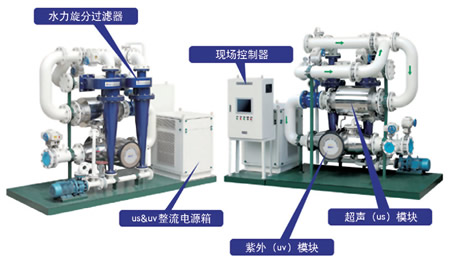 Ship Ballast Water Management System
 General applicability of some ballast water treatment systems to different types of ships
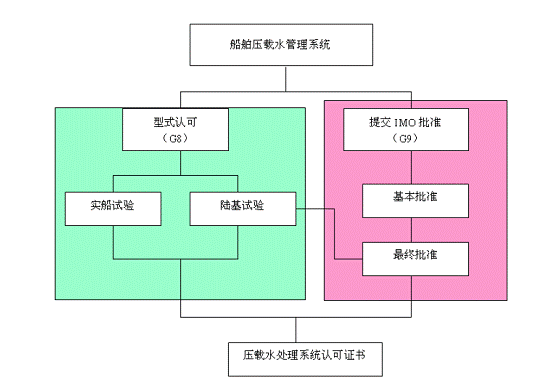 Figure 1: Approval/acceptance process for ballast water management systems using active substances
 Figure 2 Approval/acceptance process for ballast water management systems that do not use active substances
 Approval process for ballast water management systems using active substances or preparations
 Type Approval Certificate for Ship Ballast Water Management System
 Figure 1 shows an approximate flowchart of the approval procedures for G8 and G9.
 7 of these methods have been approved by the IMO.
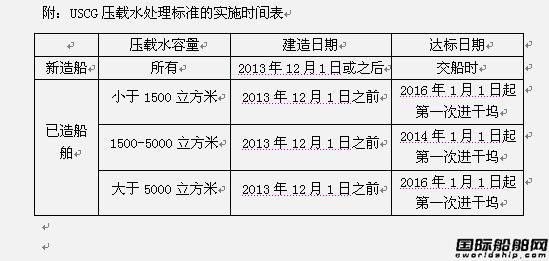 USCG Implementation Schedule
 Analysis of Ballast Water Treatment Equipment Manufacturers